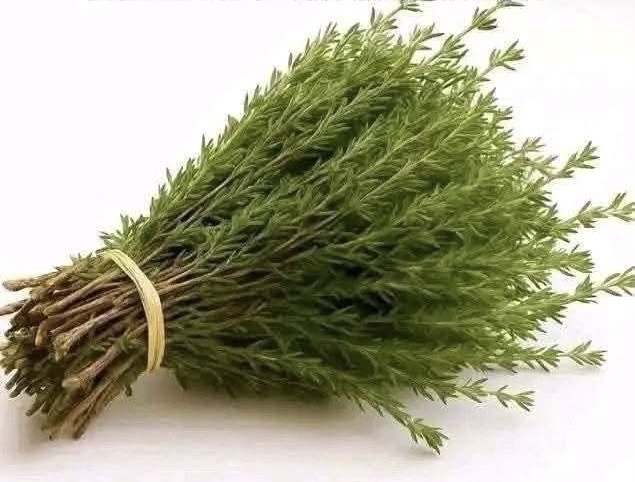
Thyme is a fragrant herb that has been used in cooking and traditional herbal practices for centuries. Known for its fresh aroma and slightly earthy flavor, thyme can add depth to soups, roasted vegetables, sauces, teas, and many other recipes. Today, many people are also interested in thyme as part of a simple, balanced wellness routine.
It is important to clarify that no herb can literally “clean the blood” or detoxify the kidneys, liver, pancreas, and skin in one stroke. Your body already has sophisticated systems for maintaining these functions, especially the liver and kidneys. However, thyme can be a flavorful and nutritious addition to an overall healthy lifestyle.
What Is Thyme?
Thyme is an aromatic herb from the mint family. Its small green leaves contain naturally occurring plant compounds that contribute to its distinctive fragrance and flavor. Fresh thyme can be used directly in meals, while dried thyme is convenient for seasoning throughout the year.
Thyme is especially popular in Mediterranean cooking, where it is commonly combined with garlic, lemon, olive oil, vegetables, beans, poultry, and fish.
Why Do People Use Thyme?
Traditional uses of thyme have included herbal teas, culinary preparations, and aromatic applications. Modern interest often focuses on its naturally occurring compounds, including thymol and carvacrol.
These compounds have been studied for their antioxidant and antimicrobial properties in laboratory research. However, laboratory findings do not automatically mean that consuming thyme will treat or prevent a disease.
For everyday wellness, the simplest approach is to enjoy thyme as a food ingredient rather than treating it as a replacement for medical care.
Thyme and Everyday Nutrition
Adding herbs such as thyme to meals can make healthy foods more enjoyable. Instead of relying heavily on salt or rich sauces for flavor, you can use thyme with garlic, black pepper, lemon juice, or olive oil.
Try adding fresh thyme to:
- Roasted potatoes and vegetables
- Homemade soups
- Lentil or bean dishes
- Chicken and fish
- Tomato-based sauces
- Omelets
- Salads
- Homemade bread
- Warm herbal beverages
This makes thyme an easy ingredient to incorporate into a balanced diet.
A Simple Thyme Tea
If you enjoy the flavor of thyme, you can prepare a simple herbal infusion.
Ingredients:
- 1 teaspoon dried thyme or a few fresh thyme sprigs
- 1 cup hot water
- Lemon slice, optional
- Honey, optional
Directions:
Place the thyme in a cup and pour hot water over it. Cover the cup and allow it to steep for approximately 5–10 minutes. Strain before drinking. Add a small amount of lemon or honey if desired.
This beverage can be enjoyed for its warm, herbal flavor. It should not be presented as a treatment for kidney disease, liver disease, diabetes, or other medical conditions.
Thyme and Healthy Skin
Healthy skin depends on many factors, including genetics, hydration, nutrition, sleep, sun protection, and general health. Eating a varied diet that contains fruits, vegetables, whole grains, legumes, and other nutrient-rich foods is more important than relying on a single herb.
Thyme can contribute flavor to nutritious meals, making it easier to enjoy a varied diet. However, drinking thyme tea or applying thyme preparations to the skin should not be expected to “clean” or cure skin conditions.
If you have persistent irritation, redness, swelling, itching, or unexplained changes in your skin, speak with a qualified healthcare professional.
Thyme and the Liver and Kidneys
The liver and kidneys perform essential functions every day. The liver processes many substances, while the kidneys filter waste products from the blood and help regulate fluid and electrolyte balance.
There is no reliable evidence that a thyme recipe can flush toxins from these organs or repair them overnight. Claims that a particular herb can “detox” the kidneys or liver should therefore be treated carefully.
If you have kidney or liver problems, especially if you take prescription medication, talk with your healthcare professional before regularly consuming concentrated herbal preparations.
Choosing and Storing Thyme
Fresh thyme should look vibrant and smell pleasantly aromatic. Store fresh sprigs in the refrigerator and use them within several days for the best flavor.
Dried thyme should be kept in a sealed container away from heat, moisture, and direct sunlight. Over time, dried herbs gradually lose their aroma, so replacing older containers can improve the flavor of your recipes.
A Simple Way to Add Thyme to Your Routine
You do not need complicated preparations to enjoy thyme. Start with familiar foods. Sprinkle dried thyme over roasted vegetables, add fresh thyme to soup, or combine it with olive oil, lemon, and garlic for a simple seasoning.
The most meaningful wellness benefits come from the overall pattern of your lifestyle: nutritious food, regular physical activity, adequate sleep, hydration, and appropriate medical care when needed.
Thyme can be a delicious part of that routine, but it is best viewed as an herb and food ingredient—not a miracle detox.
Final Thoughts
Thyme is a versatile aromatic herb with a long history in traditional culinary and herbal practices. Its natural plant compounds make it an interesting subject of scientific research, while its flavor makes it easy to include in everyday meals.
Enjoy thyme in moderation as part of a balanced diet, and be cautious of claims that promise to cleanse every major organ with a single recipe. Your body already has natural systems for maintaining the blood, liver, kidneys, pancreas, and skin.
For a simple starting point, try a warm thyme infusion or add fresh thyme to your favorite healthy meal. Sometimes the easiest recipes are the ones that are also the easiest to enjoy regularly.