Maintaining muscle strength becomes increasingly important as we get older. After 50, adults can gradually lose muscle mass and strength, especially when physical activity decreases. However, healthy eating, regular resistance exercise, adequate protein, and good overall nutrition can all support healthy aging.
Fruits cannot magically rebuild muscle or reverse age-related muscle loss on their own. However, many fruits provide carbohydrates, antioxidants, vitamins, minerals, water, and other nutrients that can complement a balanced diet and an active lifestyle.
Here are 10 fruits worth including in a muscle-supporting diet.
1. Bananas
Bananas are an easy source of carbohydrates and provide potassium, a mineral involved in normal muscle and nerve function. Their natural carbohydrates can also provide energy before physical activity. Adding a banana to yogurt, oatmeal, or a protein-rich breakfast can make a simple and nutritious meal.
2. Oranges
Oranges are well known for their vitamin C content. Vitamin C contributes to normal collagen formation, which is important for bones, cartilage, skin, and connective tissues. Oranges also contain water and carbohydrates, making them a refreshing choice throughout the day.
3. Berries
Strawberries, blueberries, raspberries, and blackberries contain vitamin C, fiber, and various plant compounds. Their antioxidant content makes them a useful addition to an overall healthy eating pattern. Try adding berries to plain yogurt, oatmeal, or a smoothie.
4. Pineapple
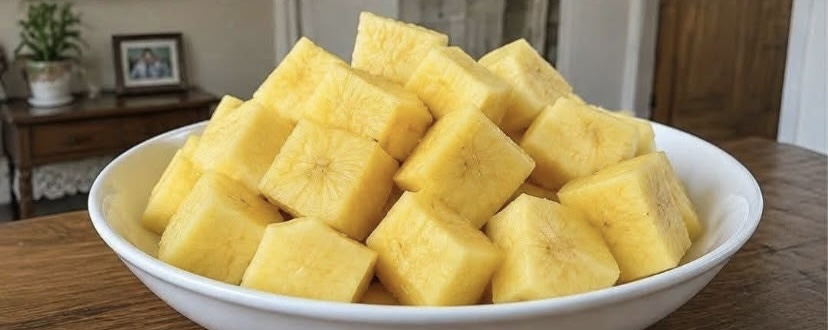
Pineapple provides vitamin C, carbohydrates, and water. Its naturally sweet flavor makes it a convenient option after exercise or as part of a meal. Pairing pineapple with Greek yogurt, cottage cheese, or another protein-rich food can create a more balanced snack.
5. Kiwi
Kiwi provides vitamin C, fiber, potassium, and other nutrients. Its combination of nutrients can contribute to a varied diet that supports general health. Enjoy it on its own, sliced over yogurt, or mixed into a fruit bowl.
6. Avocado
Although often treated like a vegetable, avocado is botanically a fruit. Unlike most fruits, it contains a significant amount of healthy unsaturated fat. It also provides potassium and fiber. Avocado can be added to whole-grain toast, salads, or meals containing eggs, fish, or lean protein.
7. Apples
Apples provide carbohydrates and fiber and are easy to carry as a snack. Eating an apple with a protein source such as Greek yogurt, cottage cheese, or a handful of nuts can provide a more satisfying combination of nutrients.
8. Papaya
Papaya is rich in vitamin C and provides folate, potassium, fiber, and other nutrients. Its soft texture can also make it an appealing fruit for older adults who prefer foods that are easy to chew.
9. Watermelon
Watermelon contains a high amount of water, making it a refreshing choice, particularly in warm weather. It also provides carbohydrates and several vitamins and plant compounds. While it is not a source of significant protein, it can be part of a balanced diet that supports an active lifestyle.
10. Cherries
Cherries contain carbohydrates, fiber, vitamin C, potassium, and plant compounds. Fresh or frozen cherries can be incorporated into smoothies, oatmeal, yogurt, or other nutritious meals.
Fruit Alone Is Not Enough to Build Muscle
One important point is often overlooked: fruit does not provide enough protein to rebuild muscle by itself. Muscle maintenance depends on several factors, particularly adequate protein intake and regular resistance exercise.
For older adults, meals can combine fruit with protein-rich foods such as eggs, Greek yogurt, milk, cottage cheese, fish, chicken, beans, lentils, or other suitable protein sources. Depending on individual health conditions, dietary needs can vary considerably.
Resistance exercises such as bodyweight movements, resistance bands, and supervised strength training can also be extremely valuable for maintaining muscle and physical function as people age.
A Simple Muscle-Supporting Snack
A practical option is a bowl of Greek yogurt topped with banana, berries, and a small amount of nuts or seeds. This combination provides protein, carbohydrates, fiber, vitamins, minerals, and healthy fats.
Another option is a smoothie made with milk or yogurt, berries, banana, and other nutritious ingredients. These choices can be particularly convenient when preparing a full meal is difficult.
The Bottom Line
There is no single fruit that can rebuild muscle overnight or make an 80-year-old suddenly regain youthful strength. However, fruits such as bananas, oranges, berries, pineapple, kiwi, avocado, apples, papaya, watermelon, and cherries can contribute valuable nutrients to a balanced diet.
For healthy aging, focus on the bigger picture: regular strength exercise, sufficient protein, fruits and vegetables, whole grains, healthy fats, adequate hydration, and good sleep. If you are older, have kidney disease, diabetes, or another medical condition, speak with a healthcare professional or registered dietitian before making major dietary changes.