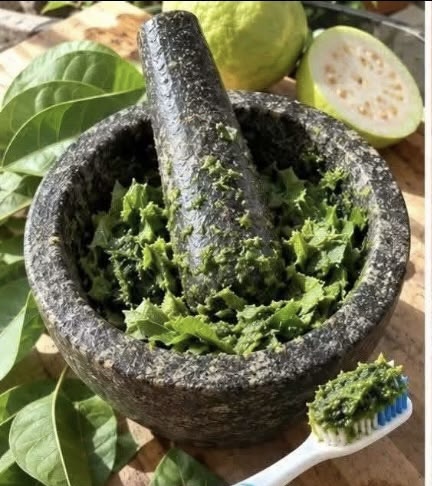
Guava leaves have been traditionally used in many cultures as a natural ingredient for oral care. Because they contain plant compounds with antioxidant and antimicrobial properties, guava leaves have attracted attention from people looking for simple ways to support healthier gums, fresher breath, and better daily dental hygiene.
However, it is important to understand that a guava leaf mixture cannot magically destroy tooth cavities in three minutes or replace professional dental treatment. Cavities are caused by tooth decay, and once a cavity has formed, it generally requires evaluation and treatment by a dentist. Still, guava leaves may be used as a complementary part of a good oral-care routine.
Why Guava Leaves Are Used for Oral Care
Guava leaves contain naturally occurring compounds such as flavonoids, tannins, and other plant chemicals. These compounds have been studied for their potential antimicrobial and antioxidant effects.
Traditional preparations made from guava leaves have commonly been used for mouth rinsing and general oral hygiene. Some research has explored guava leaf extracts in relation to bacteria associated with plaque and gum problems.
This does not mean that chewing or rubbing guava leaves can remove existing cavities. Instead, the potential benefit is mainly related to supporting a cleaner oral environment when combined with proven dental-care habits.
How to Prepare a Simple Guava Leaf Rinse
If you want to try guava leaves as a complementary oral-care practice, a simple rinse can be prepared at home.
Start by washing several fresh guava leaves thoroughly with clean water. Place the leaves in a small pot with water and bring the mixture to a boil. Allow the leaves to simmer for several minutes, then turn off the heat and let the liquid cool completely.
Once cooled, strain the liquid and use it as a mouth rinse. Swish a small amount around your mouth for approximately 30 seconds before spitting it out.
Do not swallow the rinse, and avoid using extremely hot liquid because it can burn the mouth and gums.
Can Guava Leaves Remove Tooth Cavities?
One of the most important things to remember is that natural ingredients cannot reverse a large, established cavity simply within a few minutes.
Tooth decay develops when acids produced by bacteria gradually damage the tooth structure. Early mineral loss may sometimes be controlled or reversed with appropriate fluoride exposure and improved oral hygiene, but a deeper cavity cannot simply be washed away with a homemade mixture.
If you notice a visible hole, persistent toothache, sensitivity to hot or cold foods, swelling, or dark areas on a tooth, it is best to have the tooth examined by a dental professional.
Guava Leaves and Gum Health
Healthy gums are an important part of overall oral health. Plaque buildup around the gumline can contribute to inflammation, redness, bleeding, and eventually more serious gum disease.
A guava leaf rinse may be an interesting traditional addition to an oral-care routine, but it should not replace brushing and flossing. The most reliable daily routine remains brushing twice a day with fluoride toothpaste and cleaning between the teeth regularly.
If your gums bleed frequently, feel swollen, or become painful, professional dental advice is recommended.
A Better Natural Oral-Care Routine
If you enjoy using traditional ingredients such as guava leaves, consider them an addition rather than a replacement for evidence-based dental care.
Brush your teeth gently for about two minutes twice each day. Use fluoride toothpaste and pay attention to the front, back, and chewing surfaces of every tooth. Cleaning between the teeth with floss or an appropriate interdental cleaner can also help remove plaque that a toothbrush cannot reach.
Limit frequent sugary snacks and drinks because repeated exposure to sugar can increase the risk of tooth decay. Drinking water after meals can also help rinse away food particles and maintain a healthier mouth.
Regular dental checkups are especially important for adults because dental problems can sometimes develop without causing noticeable pain in the early stages.
Other Possible Benefits of Guava Leaves
Guava leaves are traditionally used for several purposes beyond oral hygiene. Their naturally occurring antioxidants have made them a subject of interest in nutritional and botanical research.
However, traditional use should not automatically be interpreted as proof that a particular preparation can treat or cure a disease. The concentration of active compounds can vary depending on the plant, preparation method, and amount used.
For this reason, homemade guava leaf preparations should be viewed as a traditional wellness practice rather than a substitute for medical or dental treatment.
Final Thoughts
Guava leaves can be an interesting natural ingredient for supporting a healthy oral-care routine. Their traditional use and potential antimicrobial properties make them worth exploring, particularly as a simple mouth rinse.
But claims that guava leaves can destroy tooth cavities in three minutes or allow you to completely avoid the dentist are misleading. Once tooth decay has progressed into a true cavity, professional evaluation is the safest approach.
For the best results, combine traditional practices with proven habits: brush twice daily with fluoride toothpaste, clean between your teeth, reduce frequent sugar consumption, drink plenty of water, and visit a dentist when you experience pain, sensitivity, swelling, bleeding gums, or visible tooth damage.
Used responsibly, guava leaves may complement your routine—but healthy teeth still depend on consistent dental hygiene and appropriate professional care.