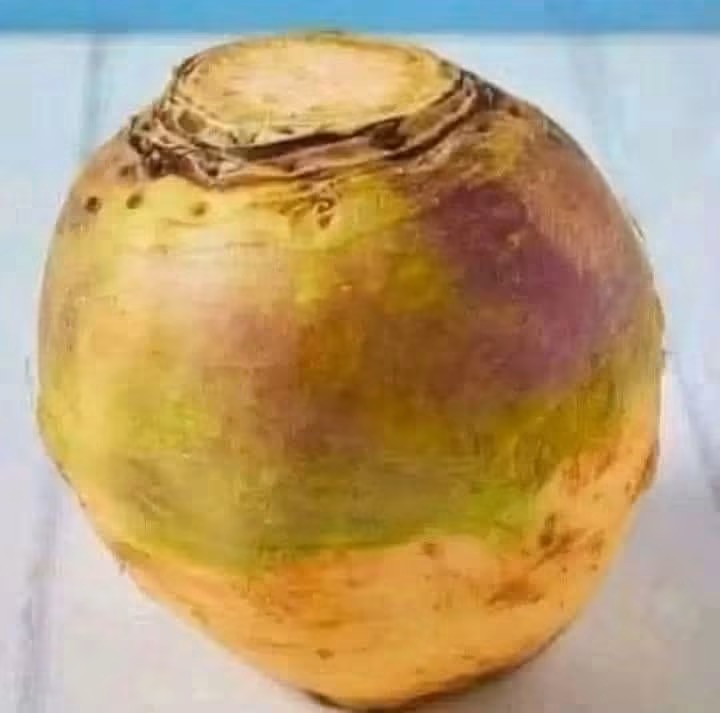
Rutabagas are one of the most underrated root vegetables available in the produce aisle. Often confused with turnips, this nutrient-dense cruciferous vegetable offers a sweet, earthy flavor, exceptional versatility in the kitchen, and an impressive lineup of health benefits.
What Is a Rutabaga?
A rutabaga—known as a swede in the United Kingdom, New Zealand, and Australia—is a root vegetable that belongs to the Brassicaceae family. It is actually a hybrid species created by crossing a cabbage (Brassica oleracea) with a turnip (Brassica rapa).
While they look similar to turnips at first glance, rutabagas have a few key differences:
- Size: Rutabagas are generally much larger and firmer than standard turnips.
- Color: A rutabaga features a distinct yellow-to-brownish outer skin with a purplish crown on top, while its interior flesh is pale yellow or cream-colored.
- Flavor Profile: Unlike turnips, which lean sharp and peppery, rutabagas offer a milder, sweeter, and buttery taste when cooked.
When sold in commercial grocery stores, rutabagas are often coated in a thin layer of food-grade paraffin wax to retain moisture during transport and prevent them from drying out on the shelf.
Key Health Benefits of Rutabaga
Incorporating rutabagas into your regular diet brings a vast array of nutritional perks. They are naturally low in calories and carbohydrates, making them an excellent choice for nutrient-conscious meals.
Rich in Antioxidants and Vitamin C
A single medium serving of rutabaga provides a significant portion of your daily recommended intake of Vitamin C. Vitamin C acts as a powerful antioxidant that helps support your immune system, aids in collagen production for healthy skin, and protects cells from oxidative stress caused by free radicals.
Supports Digestive Health
Rutabagas are packed with dietary fiber. Consuming fiber-rich foods helps regulate bowel movements, supports a healthy gut microbiome, and promotes a feeling of fullness after eating. This makes rutabagas an ideal addition to weight management plans.
High in Potassium for Heart Health
Potassium is an essential electrolyte that aids in maintaining healthy blood pressure levels by counteracting the effects of sodium in the body. Rutabagas offer a solid dose of potassium, which plays a major role in heart function and muscle contractions.
Lower-Carb Alternative to Potatoes
If you are looking to lower your carbohydrate or calorie intake without sacrificing comfort foods, rutabagas are a great substitute for starchy potatoes. They contain significantly fewer carbs per serving, making them popular among low-carb and paleo enthusiasts.
How to Prepare and Cut Rutabaga Easily
Because of their dense structure and protective wax coating, preparing a rutabaga requires a brief technique to make handling safe and easy.
- Trim the Ends: Place the rutabaga on a sturdy cutting board and cut off the top stem and bottom root using a sharp chef’s knife to create two flat surfaces.
- Peel the Skin: Stand the rutabaga upright on one flat end. Use a sharp knife or a sturdy Y-shaped vegetable peeler to slice away the thick outer skin and wax layer until you reach the cream-colored inner flesh.
- Chop or Cube: Cut the peeled rutabaga in half down the center, then slice each half into uniform wedges, cubes, or matchsticks depending on your recipe requirements.
Popular Ways to Cook Rutabaga
Rutabagas can be cooked in almost every way you would prepare a potato or carrots.
- Mashed Rutabaga: Boil cubed rutabaga in salted water until fork-tender (around 20–25 minutes). Drain and mash with butter, garlic, cream, salt, and black pepper.
- Roasted Rutabaga: Toss diced rutabaga cubes in olive oil, rosemary, salt, and pepper. Roast in an oven preheated to 400°F (200°C) for 35–40 minutes until golden brown and caramelized.
- Soups and Stews: Add cut rutabaga directly into slow-cooked beef stews, vegetable soups, or purees to add natural sweetness and body to the broth.
- Vegetable Fries: Slice into matchsticks, coat in olive oil and paprika, and bake or air-fry until crisp on the outside and tender on the inside.
How to Store Rutabagas for Maximum Freshness
Rutabagas have a remarkably long shelf life compared to many other fresh roots:
- Whole Rutabaga: Keep unpeeled, whole rutabagas in a cool, dark place (like a pantry or cellar) for up to a month, or store them in the crisper drawer of your refrigerator for up to two months.
- Peeled or Cut Rutabaga: Place chopped rutabaga in an airtight container or a sealed bag with a damp paper towel and refrigerate for up to one week.
- Freezing: To freeze, peel and cube the rutabaga, blanch in boiling water for two minutes, plunge into an ice bath, drain thoroughly, and store in freezer-safe bags for up to nine months.