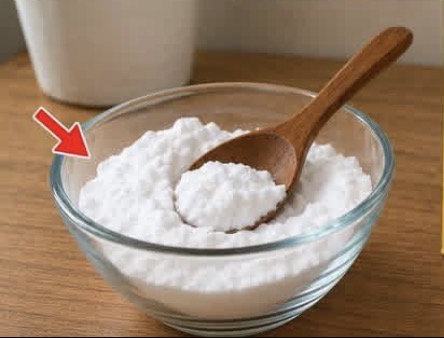
Baking soda—chemically known as sodium bicarbonate—is one of the most versatile, budget-friendly pantry staples in any home. Beyond its essential role in baking airy cakes and fluffy cookies, this gentle white powder works wonders as an eco-friendly household cleaner, deodorizer, and personal care ingredient.
Whether you want to streamline your kitchen cleaning routine or perfect your baking, understanding how to harness the full potential of baking soda makes everyday tasks simpler and cleaner.
Why You Should Keep Baking Soda in Your Home
- Multipurpose Utility: Functions seamlessly as a leavening agent, deodorizer, and gentle abrasive cleaner.
- 100% Eco-Friendly: Chemical-free, non-toxic, and safe to use around kids and pets.
- Cost-Effective: Replaces expensive household chemical cleaners for a fraction of the price.
- Neutralizes Odors: Eliminates tough smells rather than just masking them with perfumes.
Health and Household Uses of Baking Soda
1. In Culinary and Baking
In baking recipes, baking soda reacts with acidic ingredients (like buttermilk, lemon juice, or yogurt) to produce carbon dioxide gas bubbles, causing batters and doughs to rise evenly.
2. Deep Household Cleaning
Its mild abrasive nature lifts stubborn stains, grease, and grime without scratching sensitive surfaces like stainless steel, glass, or enamel.
3. Natural Odor Elimination
By neutralizing acidic and basic odor molecules, an open box of baking soda absorbs unwanted smells in refrigerators, carpet fibers, and trash cans.
Simple DIY Uses & Instructions
Easy Kitchen Sink & Counter Polish
- Sprinkle 2 tablespoons of baking soda directly onto a damp sponge or sink basin.
- Scrub in circular motions to break down grease and hard water stains.
- Rinse thoroughly with warm water and wipe dry with a microfiber cloth.
Fresh Refrigerator Deodorizer
- Open a fresh box of baking soda (or place ½ cup in a small open bowl).
- Set it in the back corner of your refrigerator shelf.
- Replace every 30 to 60 days for continuous freshness.
Expert Hacks for Best Results
- Test Freshness: Before using baking soda in a baking recipe, drop a ½ teaspoon into a small cup of vinegar. If it fizzes vigorously immediately, it is fresh and active!
- Combine with Vinegar for Drains: Pour ½ cup of baking soda followed by 1 cup of white vinegar down slow drains to break down minor build-ups naturally.
- Store Sealed: Keep baking soda stored in an airtight container when not in use for leavening so it doesn’t absorb ambient humidity and odors from your pantry.
Frequently Asked Questions
What is the difference between baking soda and baking powder?
Baking soda is pure sodium bicarbonate and requires an acidic ingredient to activate. Baking powder contains both sodium bicarbonate and a dry acid, requiring only liquid and heat to react.
Is baking soda safe for scrubbing delicate surfaces?
Yes! Baking soda is non-abrasive enough to safely scrub stainless steel, tile grout, porcelain, and glass without leaving scratches.