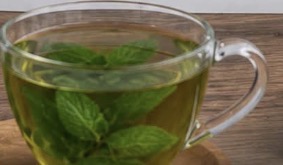
In a fast-paced world dominated by synthetic wellness drinks and complex dietary supplements, returning to simple, time-tested plant infusions can be incredibly grounding. One of the most celebrated and globally cherished herbal remedies is fresh mint tea. Brewed simply by steeping fresh mint leaves in hot water, this aromatic green elixir has been used for centuries across Mediterranean, North African, and Asian cultures as a daily digestive tonic and a natural stress-reliever.
Whether you want to ease an uncomfortable post-meal bloat, naturally enhance your mental clarity, or reduce your daily reliance on caffeinated beverages, a clean cup of pure mint tea offers a refreshing, zero-calorie solution. Understanding its targeted health properties and how to properly extract its volatile oils will help you maximize its therapeutic impact.
The Chemical Powerhouse Inside Mint Leaves
Mint is far more than a simple culinary garnish or a flavoring agent for chewing gum. The Mentha family, which includes popular varieties like peppermint (Mentha piperita) and spearmint (Mentha spicata), contains an exceptionally high concentration of therapeutic compounds trapped within the microscopic glands of its vibrant green leaves.
The Role of Menthol and Essential Phenols
The standout active compound in mint is menthol. Menthol is responsible for the signature cooling sensation that spreads through your throat and sinuses when you drink the tea. Alongside menthol, mint leaves are heavily packed with:
- Rosmarinic Acid: A powerful plant polyphenol with documented antioxidant and anti-inflammatory properties.
- Limonene and Pulegone: Volatile essential oils that lend the plant its crisp, citrusy-clean aromatic profile and help protect cells from oxidative stress.
Health Benefits: Why You Should Drink Mint Tea Daily
Integrating a hot cup of fresh mint tea into your morning or evening routine provides holistic, multi-systemic support for your body.
Instant Relief from Bloating and Indigestion
Mint tea is arguably best known for its profound, fast-acting impact on the gastrointestinal tract. Menthol exerts a natural carminative and antispasmodic effect, meaning it directly relaxes the smooth muscle tissues of the stomach and intestines. If you suffer from slow gut motility, painful gas, or heavy abdominal bloating after a meal, sipping a warm cup of mint tea helps release trapped gas and encourages the smooth, efficient passage of food through the digestive tract.
Natural Respiratory and Sinus Relief
The evaporating vapors of a hot cup of mint tea act as a gentle, completely natural decongestant. As you inhale the aromatic steam, the airborne menthol helps thin out stubborn mucus linings in the nasal passages and relaxes the muscles of the trachea. This makes it an excellent home remedy for soothing a scratchy sore throat, opening clogged sinuses, and calming a persistent seasonal cough.
Stress Reduction and Caffeine-Free Focus
Unlike true teas derived from the Camellia sinensis plant, pure mint tea is entirely caffeine-free. This makes it an ideal evening drink to wind down before sleep without disrupting your circadian rhythm. Interestingly, while it relaxes physical muscle tension and calms the nervous system, the sharp, refreshing scent of menthol has been shown to stimulate the olfactory receptors, enhancing alert mental focus and reducing daytime cognitive fatigue.
How to Brew the Perfect Cup of Fresh Mint Tea
To experience the full medicinal benefits of mint, skipping commercial, dust-filled paper tea bags is essential. Using fresh, whole leaves ensures that the delicate, therapeutic essential oils remain intact.
Step-by-Step Instructions
- Source Fresh Botanical Leaves: Gather a small handful (about 8 to 10 leaves) of fresh, organic mint. Wash them thoroughly under cold running water to remove any garden soil.
- Release the Essential Oils: Before placing the leaves in your cup or teapot, gently bruise or slap them between your palms. This physical action ruptures the delicate cellular walls of the leaf, allowing the therapeutic oils to exit immediately into the water.
- The Water Temperature: Bring fresh water to a boil, then let it sit for a minute to cool slightly (ideally around 200°F or 93°C). Pouring boiling water directly onto the leaves can scorch the delicate volatile compounds, dampening the flavor and reducing the health benefits.
- The Covered Steep: Pour the water over the bruised leaves in your glass or mug. Crucial Tip: Cover the container with a small saucer or lid while it steeps for 5 to 7 minutes. Keeping it covered prevents the highly volatile menthol steam from evaporating out into the room, trapping all the medicine inside your cup.
- Enjoy Pure or Enhanced: Remove the lid, leave the leaves inside or strain them out, and enjoy.
Creative and Healthy Enhancements
While a clean, pure mint infusion is incredibly refreshing on its own, you can customize the flavor and health profile depending on the time of day:
- Lemon and Raw Honey: Add a squeeze of fresh lemon juice for a boost of vitamin C and a teaspoon of raw honey to soothe an irritated throat.
- The Moroccan Style: If you want a traditional twist, steep your fresh mint leaves alongside a teaspoon of high-quality gunpowder green tea for a classic, antioxidant-rich mid-day pick-me-up.