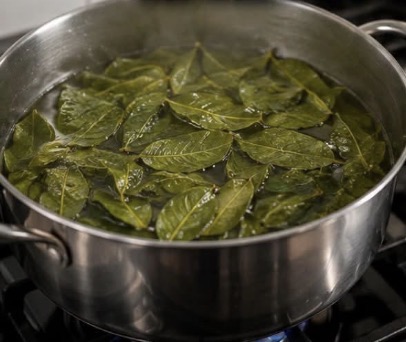
While bay leaves are universally recognized as an essential culinary herb used to add depth to soups, stews, and heavy sauces, their incredible therapeutic profile is often overlooked. For thousands of years, traditional herbalists across the Mediterranean and South Asia have relied on boiled bay leaf elixirs to target systemic inflammation, alleviate digestive disorders, and clear congested respiratory passages.
Boiling whole bay leaves to create a concentrated herbal tea releases a wealth of volatile compounds and essential plant oils that are highly bioavailable. Integrating this clean, traditional remedy into your weekly routine offers an effortless way to upgrade your holistic health using basic kitchen ingredients.
The Nutritional and Chemical Profile of Bay Leaves
The therapeutic potency of the bay leaf (Laurus nobilis) comes down to its exceptionally high concentration of unique organic compounds trapped within its thick, leathery structure. Unlike softer garden herbs, bay leaves require sustained heat to break down their fibrous cellular walls and release their nutritional value.
A Wealth of Volatile Compounds
When boiled, bay leaves release a strong aromatic profile packed with active, science-backed elements:
- Eucalyptol (1,8-Cineole): A powerful compound heavily studied for its natural anti-inflammatory, mucolytic, and respiratory-clearing properties.
- Linalool and Eugenol: Dual-action antioxidants that work to combat oxidative cellular stress and soothe hyper-reactive nervous system responses.
- Essential Minerals: A natural source of vitamin A, vitamin C, iron, potassium, calcium, and magnesium to support systemic metabolism.
Health Benefits: Why You Should Drink Boiled Bay Leaf Elixirs
Taking the time to brew a fresh pot of bay leaf tea can yield remarkable benefits for your internal well-being.
Cleansing and Soothing the Respiratory Tract
One of the most immediate benefits of warm bay leaf tea is its impact on the lungs and sinuses. The volatile eucalyptol oils carry over beautifully into both the rising steam and the warm liquid. Drinking the tea works to soothe irritated throat tissue and thins out stubborn, sticky mucus. Additionally, inhaling the aromatic steam as you drink helps open clogged nasal passages, providing rapid relief from seasonal allergies, persistent coughs, and sinus pressure.
Optimizing Digestive Health and Eliminating Bloating
Bay leaf tea acts as a powerful gastrointestinal stimulant. If you regularly suffer from post-meal sluggishness, uncomfortable abdominal gas, or chronic bloating, drinking a small cup of this herbal decoction thirty minutes before or after a heavy meal can make a massive difference. The bitter glycosides within the leaves stimulate the production of bile and digestive enzymes, allowing your liver and stomach to break down complex fats and proteins with minimal distress.
Balancing Blood Sugar and Managing Inflammation
Emerging nutritional research indicates that regular consumption of bay leaf extract can improve insulin receptor function. The active polyphenols in the leaves assist the body in processing glucose more efficiently, making it an excellent daily supportive beverage for managing blood sugar stability. Furthermore, its systemic anti-inflammatory compounds help soothe chronic joint discomfort and reduce internal swelling over time.
How to Brew the Perfect Pot of Bay Leaf Tea
To extract the maximum amount of medicinal compounds from your bay leaves, a simple quick-steep will not suffice. Instead, you need to prepare a proper herbal decoction by simmering the leaves directly on the stove.
Step-by-Step Instructions
- Choose Your Source: Gather 10 to 15 high-quality, whole dried or fresh organic bay leaves. Using whole leaves ensures the delicate essential oils haven’t evaporated through grinding.
- The Initial Boil: Pour 4 cups of pure, filtered spring water into a stainless steel pot and bring it to a rolling boil over high heat.
- Add and Simmer: Drop the leaves directly into the boiling water. Lower the heat to medium-low, cover the pot tightly with a lid to trap the rising volatile steam, and let it simmer gently for 10 to 15 minutes.
- The Deep Steep: Turn off the burner but leave the covered pot sitting on the warm stove for an additional 10 minutes to allow the remaining nutrients to completely saturate the water structure. The liquid should transform into a beautiful, amber-gold hue.
- Strain and Serve: Pour the liquid through a fine strainer into a glass jar or mug, discarding the boiled leaves.
Flavor Tips and Best Practices
Pure bay leaf tea has a deeply comforting, earthy flavor with distinct woody and herbaceous undertones. If you find the natural flavor profile slightly too intense or medicine-like, you can easily round it out:
- Lemon and Honey: Whisk in a squeeze of fresh, alkalizing lemon juice and a teaspoon of raw honey to add a bright, soothing sweetness.
- Cinnamon Blend: Simmer a single whole cinnamon stick alongside the bay leaves to further enhance the tea’s blood-sugar-stabilizing properties and add a warming spice note.