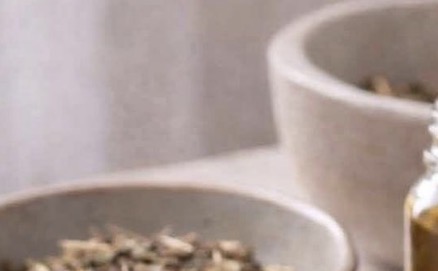
The art of botanical medicine has sustained humanity for thousands of years. Long before the advent of modern synthetics, traditional healers relied entirely on fields, forests, and roots to treat common ailments, balance bodily systems, and restore vitality. Today, as wellness trends shift back toward clean, sustainable, and holistic lifestyle choices, herbalism is experiencing a massive resurgence.
By understanding the synergy between raw botanical infusions and concentrated plant extracts, you can build a highly effective natural apothecary right at home. This guide explores the foundational practices of modern herbalism, highlighting how to utilize loose dried herbs and essential oils safely to optimize your daily health.
Understanding the Pillars of Modern Herbal Practice
Herbalism is not a one-size-fits-all approach; it is a holistic discipline that treats the body as an interconnected ecosystem. Unlike targeted pharmaceuticals that often isolate a single active chemical to suppress a specific symptom, botanical medicine utilizes the whole plant.
This whole-plant approach ensures that secondary compounds, nutrients, and trace minerals work together synergetically. This harmony minimizes side effects while addressing the underlying root cause of bodily imbalances, whether they stem from nervous exhaustion, poor digestion, or systemic inflammation.
Harnessing Dried Herbs for Internal Wellness
Dried herbs form the absolute backbone of traditional apothecary setups. When plants are properly harvested and dehydrated, their active therapeutic components—such as flavonoids, tannins, and bitter glycosides—become concentrated and stable for long-term storage.
The Art of the Nourishing Herbal Infusion
An herbal infusion is much more than a standard tea bag steeped for a few minutes. To truly extract the deep mineral wealth of tough dried leaves and stems, herbalists practice extended steeping. By placing loose dried herbs in a glass jar, covering them with boiling water, and sealing the lid tightly for 4 to 8 hours, you create a deeply restorative brew.
- Nettle Leaf: Packed with easily absorbable iron, calcium, and natural antihistamines to stabilize seasonal allergies.
- Oat Straw: Rich in silica and B-vitamins, making it the premier tonic for repairing a fried nervous system and easing chronic anxiety.
- Raspberry Leaf: Highly valued for its uterine-toning properties and its ability to supply highly bioavailable magnesium to the reproductive system.
Decoctions for Roots and Bark
When working with denser botanical materials—such as dried ginger root, dandelion root, or willow bark—a simple steep won’t cut it. These elements require a decoction, a process where the herbs are simmered gently in a pot of water over low heat for 20 to 40 minutes. This sustained heat breaks down tough fibrous cell walls, releasing active components like prebiotic inulin and anti-inflammatory salicylates directly into the liquid.
Utilizing Essential Oils for Aromatherapy and Topical Care
While dried herbs excel at nurturing the body internally, essential oils represent the highly concentrated, volatile aromatic essence of the plant. Obtained through meticulous steam distillation, a single drop of essential oil can equal the potency of dozens of cups of herbal tea.
The Cognitive Influence of Inhalation
When volatile plant compounds are inhaled, they interact instantly with the olfactory system, which connects directly to the limbic system—the emotional and memory center of the brain.
- Frankincense and Sandalwood: These deep, woody distillations stimulate the hypothalamus, helping to ground erratic thoughts, deepen breathing patterns, and encourage states of deep meditation.
- Rosemary and Peppermint: Rich in cineole and menthol, these oils increase microcirculation to the cerebral cortex, instantly improving mental clarity, focus, and memory retention during long working hours.
Safe Topical Application for Physical Relief
Because pure essential oils are incredibly potent, applying them directly to the skin can cause severe irritation or sensitization. The golden rule of topical herbalism is dilution. By mixing a few drops of an active essential oil into a nourishing, fatty carrier oil—such as cold-pressed jojoba, sweet almond, or argan oil—you ensure safe absorption.
- Muscle Recovery: Blending wintergreen or ginger essential oil into a carrier oil creates a warming salving effect that eases joint discomfort and relaxes tight muscle tissue.
- Skin Rejuvenation: Adding a drop of pure lavender or tea tree oil to your daily moisturizer helps regulate sebum production, soothe minor blemishes, and accelerate tissue repair.
Building a Safe and Sustainable Apothecary
As you begin integrating these botanical tools into your daily lifestyle, sourcing remains paramount. Always prioritize organic, wild-crafted, or sustainably harvested herbs and 100% pure, therapeutic-grade essential oils. Because plants easily absorb heavy metals and pesticides from their surrounding soil, choosing clean sources protects your liver and kidneys from processing unwanted toxic burdens. Always start with small doses, observe how your unique constitution responds, and enjoy the profound journey of natural healing.