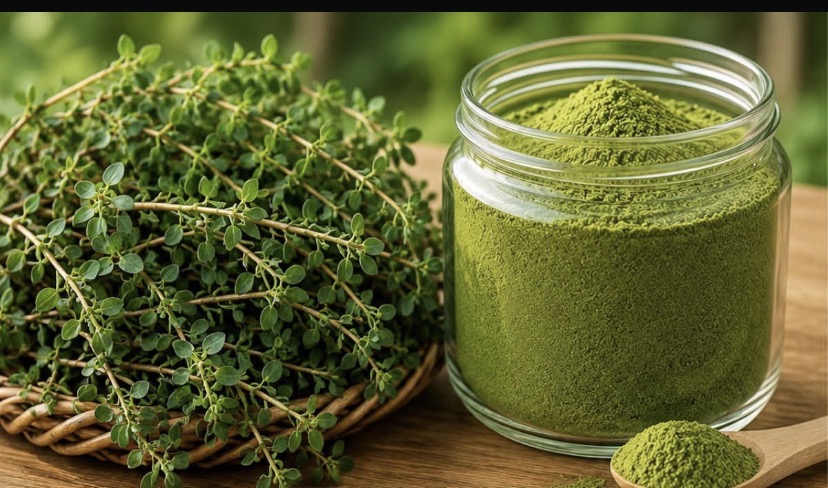
The modern wellness movement frequently looks toward exotic superfoods, yet some of the most potent therapeutic agents have been sitting quietly in our spice racks for centuries. Thyme (Thymus vulgaris), a resilient Mediterranean herb, is celebrated globally not just as a culinary staple, but as a cornerstone of traditional herbal medicine. Known for its distinct woody aroma and sharp, warm flavor, thyme contains an incredibly dense profile of volatile oils, vitamins, and antioxidants.
Shifting away from synthetic alternatives and embracing whole-food botanicals can dramatically improve your daily health. Transitioning fresh thyme into a concentrated, vibrant green powder is one of the most efficient ways to preserve its dynamic properties, giving you an easy-to-use herbal tonic ready for any meal or beverage.
The Nutrient Density and Chemistry of Thyme
Thyme is far more than an aromatic accent for savory dishes; it is a nutritional powerhouse packed with highly concentrated organic compounds. When the leaves are dried and finely ground, their cellular structures lock in these valuable elements, ensuring a long shelf life and high bioavailability.
A Natural Source of Active Phenols
The core of thyme’s medicinal strength lies in its volatile essential oils, particularly a unique phenol called thymol.
- Thymol and Carvacrol: These active compounds have been heavily studied for their powerful natural antimicrobial, antifungal, and antiseptic properties.
- Vitamin Content: Thyme is an exceptional plant source of vitamin C, which stimulates white blood cell production, and vitamin A, which maintains healthy mucous membranes and skin integrity.
- Trace Minerals: Each teaspoon delivers a clean dose of iron, calcium, manganese, and potassium to support oxygen transport and cardiovascular health.
Incredible Health Benefits of Regular Thyme Consumption
Integrating thyme powder into your daily lifestyle provides multi-systemic support, gently fortifying your body’s natural baseline defenses.
Soothing Respiratory Afflictions and Persistent Coughs
For generations, traditional herbalists have turned to thyme to combat bronchial irritation, asthma, and deep seasonal chest congestion. The active thymol compounds act as a natural antispasmodic and expectorant. When ingested via warm teas or broths, thyme helps relax the smooth muscle tissues of the trachea and bronchi, making it significantly easier to loosen stubborn mucus and soothe uncontrollable coughing fits.
Optimizing Digestive Vitality and Eliminating Bloating
Thyme powder works exceptionally well as a gastrointestinal tonic. If you struggle with low stomach acid, sluggish digestion, or uncomfortable post-meal bloating, adding a dash of thyme powder to your food can stimulate gut motility. Its antimicrobial properties also act as a balancing agent within the gut microbiome, helping to suppress opportunistic pathogens and yeast overgrowth while supporting beneficial intestinal flora.
Combating Oxidative Stress and Inflammation
Packed with flavonoids like luteolin and apigenin, thyme offers potent antioxidant protection. These compounds neutralize unstable free radicals throughout the bloodstream, reducing systemic inflammation. Regular consumption helps protect delicate vascular linings, eases minor joint discomfort, and keeps your cellular aging processes in check.
How to Make Fresh Thyme Powder at Home
While store-bought ground thyme is easily accessible, manufacturing your own powder at home ensures that you preserve the maximum amount of active essential oils without any added anti-caking agents or fillers.
Step 1: Wash and Prepare
Start with several large bunches of fresh, vibrant green organic thyme. Thoroughly rinse the sprigs under cold running water to eliminate any lingering soil, sand, or garden debris. Gently pat them completely dry with a clean kitchen towel.
Step 2: The Dehydration Process
To convert the leaves into a crisp, grindable texture, you must remove all moisture:
- Air-Drying Method: Tie the thyme stems into small bundles using twine and hang them upside down in a warm, dry, well-ventilated room away from direct sunlight for 1 to 2 weeks.
- Oven/Dehydrator Method: Spread the sprigs in a single layer on a parchment-lined baking sheet. Place them in your oven at its lowest possible temperature setting (ideally around 140°F or 60°C) for 2 to 4 hours, keeping the oven door slightly ajar to let moisture escape. The leaves are ready when they feel brittle and crumble effortlessly between your fingers.
Step 3: Strip, Blend, and Store
Once completely dry, slide your fingers down the woody stems to cleanly pop off the brittle leaves. Discard the tough stems. Transfer the dry green leaves into a clean, high-speed blender, spice grinder, or a traditional mortar and pestle. Process until the leaves transform into a fine, velvet-smooth green powder. Transfer the powder into an airtight glass jar and store it in a cool, dark cabinet to preserve its rich color and aroma.
Creative Ways to Use Thyme Powder Daily
Because home-ground thyme powder has a highly concentrated, versatile flavor profile, it can be seamlessly incorporated into both your culinary recipes and wellness routines:
- The Morning Wellness Tea: Stir 1/4 teaspoon of thyme powder into a mug of hot water along with a squeeze of fresh lemon juice and raw honey for an instant, immune-boosting respiratory tonic.
- Savory Culinary Enhancer: Whisk the powder into homemade olive oil dressings, roasted vegetable seasonings, lentil soups, or bone broths to deeply enrich the flavor while upgrading the nutritional density of your meals.