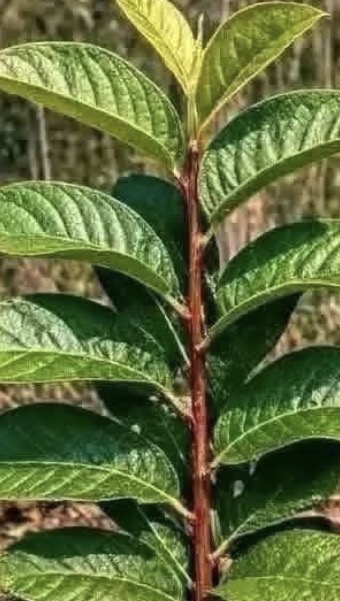
Guava leaves have been valued for generations in traditional wellness practices across Asia, Africa, and Latin America. While the guava fruit is widely appreciated for its sweet taste and impressive nutritional value, the leaves are also rich in beneficial plant compounds that may support overall health. Today, guava leaf tea and extracts have become increasingly popular among people seeking natural ways to complement a healthy lifestyle.
In this guide, you’ll learn about the nutritional profile of guava leaves, their potential health benefits, common uses, and the best ways to incorporate them into your daily routine.
What Are Guava Leaves?
Guava leaves come from the guava tree (Psidium guajava), a tropical plant known for producing delicious, vitamin-rich fruit. The leaves are deep green, oval-shaped, and contain a variety of antioxidants, flavonoids, and other bioactive compounds.
Traditionally, fresh or dried guava leaves have been brewed into herbal teas or used in natural remedies. Modern research continues to explore their potential health-supporting properties.
Nutritional Profile of Guava Leaves
Although guava leaves are not typically eaten in large quantities, they contain several beneficial compounds, including:
- Antioxidants
- Flavonoids
- Tannins
- Polyphenols
- Vitamin C
- Quercetin
- Essential plant compounds
These natural substances help make guava leaves one of the most valued herbal ingredients in traditional wellness practices.
Health Benefits of Guava Leaves
Rich in Antioxidants
Guava leaves are packed with antioxidants that help protect the body’s cells against oxidative stress caused by free radicals. Regular consumption of antioxidant-rich foods and herbal teas may contribute to overall wellness and healthy aging.
May Support Healthy Digestion
One of the most common traditional uses of guava leaves is promoting digestive health. Guava leaf tea is often enjoyed after meals and may help support normal digestion while providing a soothing effect on the stomach.
May Help Support Healthy Blood Sugar Levels
Several studies suggest that compounds found in guava leaves may help support healthy blood sugar metabolism when combined with a balanced diet and regular physical activity. While promising, guava leaves should not replace medical treatments prescribed by healthcare professionals.
Supports Heart Health
The antioxidants and flavonoids found in guava leaves may contribute to cardiovascular wellness by supporting healthy cholesterol levels and promoting normal circulation as part of an overall healthy lifestyle.
May Help Strengthen the Immune System
Guava leaves contain vitamin C and numerous antioxidant compounds that may support the body’s natural immune defenses. Drinking guava leaf tea during seasonal changes has become a popular wellness habit in many cultures.
Supports Healthy Skin
The antioxidant content of guava leaves may help protect the skin from environmental damage. Some skincare products even include guava leaf extract because of its soothing and antioxidant properties.
May Promote Healthy Weight Management
Unsweetened guava leaf tea is naturally low in calories and can be a refreshing alternative to sugary beverages. When combined with healthy eating habits and regular exercise, it may support weight management goals.
Common Uses of Guava Leaves
Guava leaves are incredibly versatile and can be enjoyed in several ways.
Popular uses include:
- Brewing herbal tea
- Preparing homemade herbal infusions
- Adding dried leaves to wellness blends
- Using extracts in dietary supplements
- Incorporating into natural skincare products
- Making herbal rinses for hair care
Tea remains the most popular and accessible way to enjoy guava leaves.
How to Make Guava Leaf Tea
Preparing guava leaf tea is simple.
Ingredients
- 8–10 fresh or dried guava leaves
- 2 cups of water
- Honey or lemon (optional)
Instructions
- Wash the leaves thoroughly.
- Bring the water to a boil.
- Add the guava leaves.
- Simmer for about 10–15 minutes.
- Strain the tea into a cup.
- Add honey or lemon if desired.
- Serve warm and enjoy.
This herbal tea has a mild, earthy flavor with subtle herbal notes.
Tips for Choosing and Storing Guava Leaves
To maintain freshness and quality:
- Choose vibrant green leaves free from damage.
- Wash fresh leaves before use.
- Dry leaves completely before storing.
- Keep dried leaves in an airtight container.
- Store in a cool, dry place away from direct sunlight.
Proper storage helps preserve their natural aroma and beneficial compounds.
Possible Side Effects
Guava leaves are generally considered safe when consumed in moderate amounts as tea or in food. However, some individuals may experience mild digestive discomfort if consumed excessively.
People who are pregnant, breastfeeding, taking prescription medications, or managing chronic health conditions should consult a healthcare professional before regularly using herbal products or supplements.
Final Thoughts
Guava leaves are a traditional herbal ingredient that continues to attract attention for their impressive antioxidant content and potential wellness benefits. From supporting digestion and immune health to promoting heart health and healthy blood sugar metabolism, these nutrient-rich leaves can be a valuable addition to a balanced lifestyle.
Whether enjoyed as a soothing herbal tea or used in natural wellness routines, guava leaves offer a simple and natural way to benefit from the remarkable properties of one of the world’s most popular tropical plants.