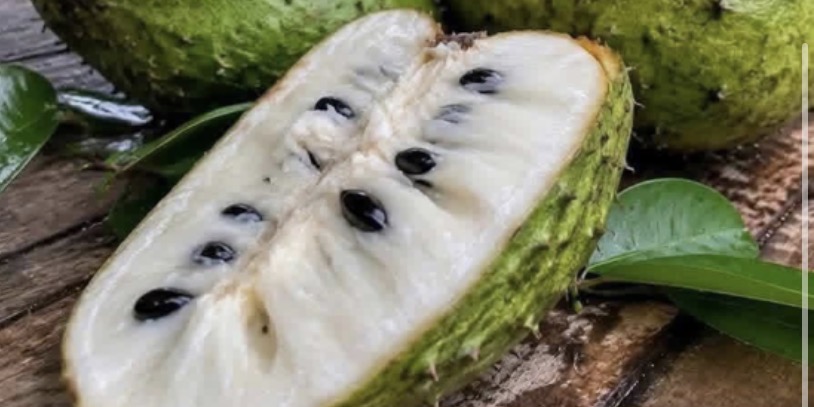
Soursop, also known scientifically as Annona muricata or commonly referred to as Guanabana, is a tropical fruit native to the Americas and the Caribbean. Characterized by its spiky green skin and soft, fibrous white pulp embedded with dark black seeds, this exotic fruit is celebrated not only for its distinct flavor profile but also for its remarkable nutritional and medicinal properties.
As interest in functional foods and natural wellness continues to rise globally, soursop has emerged as a highly sought-after superfood. This comprehensive guide explores everything you need to know about soursop, from its nutritional value to its potential health benefits and how to safely incorporate it into your diet.
What Does Soursop Taste Like?
Describing the flavor of soursop is often a culinary adventure. Most people describe it as a delightful, complex combination of strawberry and pineapple, laced with underlying creamy notes of banana or coconut. The texture is similarly unique—juicy, fleshy, and slightly fibrous, making it a popular ingredient for beverages, desserts, and traditional remedies alike.
The Nutritional Profile of Soursop
Soursop is an incredibly nutrient-dense fruit that delivers a wide array of essential vitamins and minerals while remaining relatively low in calories. A standard 100-gram serving of raw soursop provides roughly:
- Calories: 66
- Protein: 1 gram
- Carbohydrates: 16.8 grams
- Dietary Fiber: 3.3 grams
- Vitamin C: 34% of the Daily Value (DV)
- Potassium: 8% of the DV
- Magnesium: 5% of the DV
Beyond these basic nutrients, soursop is packed with potent antioxidants, including tannins, saponins, phytosterols, and a unique class of compounds known as annonaceous acetogenins.
Top Health Benefits of Soursop
1. High in Powerful Antioxidants
Antioxidants are crucial compounds that help neutralize harmful molecules called free radicals, which cause cellular damage. Studies show that soursop is exceptionally rich in antioxidants that help mitigate oxidative stress, potentially reducing the risk of chronic illnesses such as heart disease, diabetes, and certain cancers.
2. Boosts Immune System Function
A single serving of soursop fulfills a significant portion of your daily Vitamin C requirements. Vitamin C is a well-known powerhouse for the immune system. It stimulates the production of white blood cells and acts as an antioxidant to shield the body from pathogens and environmental toxins.
3. Fights Harmful Bacteria
Some test-tube studies indicate that soursop extracts possess strong antimicrobial and antibacterial properties. Research has demonstrated that soursop can effectively combat several strains of bacteria, including those responsible for oral diseases, cavities, and staphylococcus infections.
4. Reduces Inflammation
Chronic inflammation is an underlying factor in many modern health conditions, including arthritis and joint pain. Traditional medicine has long utilized soursop leaves and fruit extracts to soothe swelling. Modern animal studies support this, showing that soursop components can significantly decrease inflammatory markers.
How to Properly Eat and Enjoy Soursop
If you are lucky enough to get your hands on a fresh, ripe soursop, eating it is straightforward.
- Check for Ripeness: Press the skin gently. A ripe soursop will yield slightly under pressure, similar to a ripe avocado.
- Cut in Half: Slice the fruit lengthwise to expose the cream-colored flesh.
- Remove the Seeds: Important Note: The dark black seeds inside soursop contain annonacin, a neurotoxin that should never be ingested. Always spit out or manually remove the seeds before consuming or blending the flesh.
- Spoon and Serve: Scoop out the white pulp to eat raw, or add it to a blender.
Popular Ways to Use Soursop:
- Smoothies and Juices: Blend the pulp with water or milk, a splash of lime juice, and a touch of honey for a refreshing tropical drink.
- Sorbets and Ice Creams: The creamy texture of the pulp lends itself beautifully to frozen desserts.
- Soursop Tea: While the fruit is delicious, many people boil the dried leaves of the soursop tree to make a soothing, herbal tea.
Potential Side Effects and Safety Precautions
While the flesh of soursop offers numerous health benefits, moderation is key. As mentioned, the seeds contain high concentrations of annonacin, which has been linked to neurological issues if consumed in large quantities.
Additionally, individuals with Parkinson’s disease, severe neurological disorders, or those taking blood pressure and diabetes medications should consult with a healthcare professional before integrating concentrated soursop supplements or teas into their daily routine.
Conclusion
Soursop is a versatile, delicious, and nutrient-packed tropical fruit that can be a valuable addition to a balanced lifestyle. Whether you enjoy it fresh, blended into a morning smoothie, or brewed as a traditional tea, soursop provides an exceptional dose of Vitamin C and antioxidants to support overall well-being.